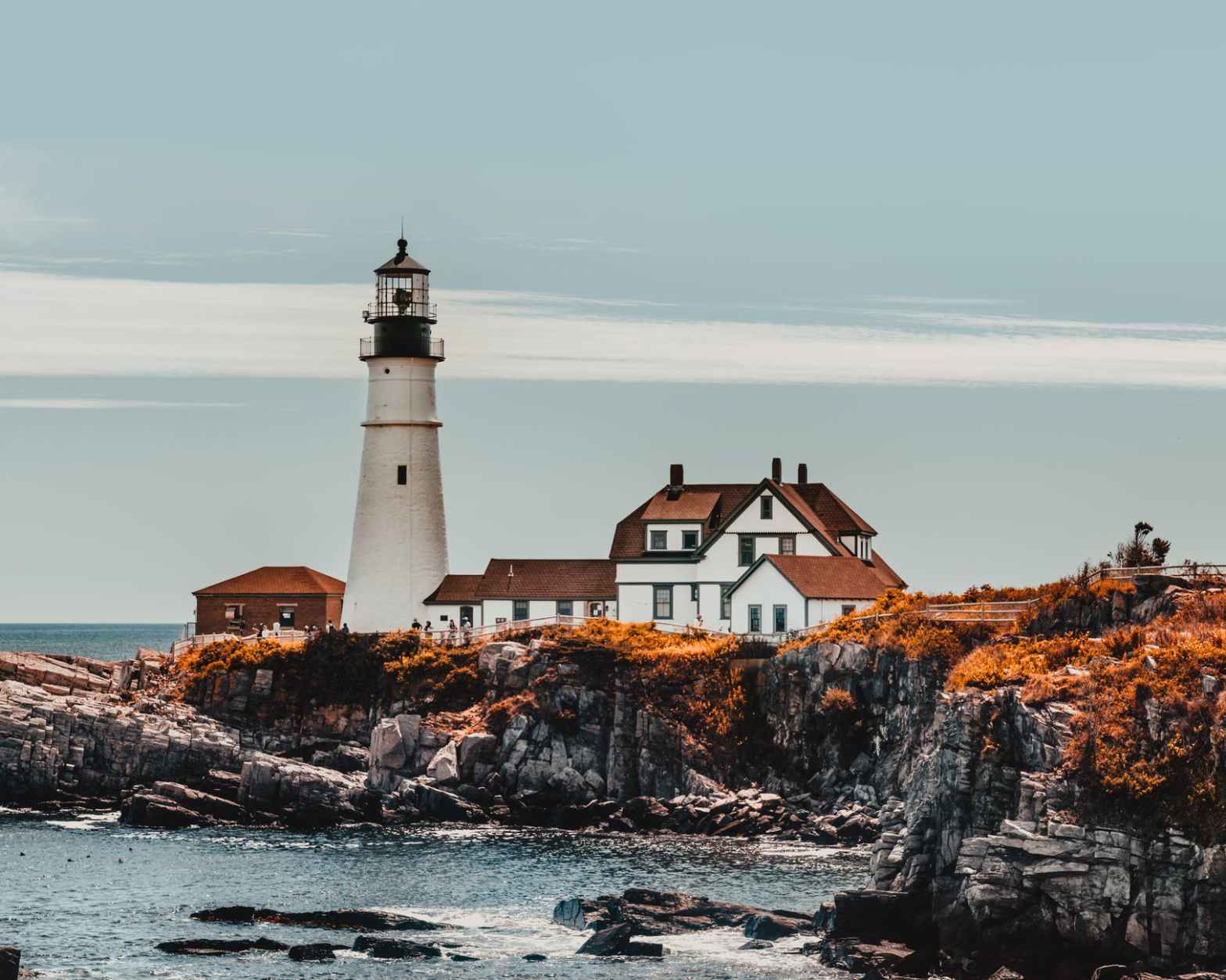
Some time ago I visited a friend who has a summer house on an island down south. He calls it a summer house, but he grew up here. The vast majority of the houses on the island were originally residential buildings.
Today there are not more than a couple of hundred people living on the island, but at summertime the number quadruples. Children, grandchildren, distant relatives, friends and strangers invade this paradise for a couple of days, weeks or months.
There are no cars on the island and when you walk around the dirt roads and see small, sheltered coves between the rocky cliffs, sailing boats at anchor, white sandy beaches, large skipper’s houses, small cabins on the edge of the forest, hammocks, grazing sheep and meadows full of wildflowers and humming bumblebees, it is easy to get in the summer mood. The island may resemble Martha’s Vineyard on the south coast of Cape Cod in miniature.
It was probably not all idyllic out here in the old days. The island had its heyday in the sailing age with more than a thousand inhabitants. This was a hard-working functioning society with rich shipowner families, a large working class and probably quite a few poor people as well. What they all had in common was a strong connection to life at sea. Not only the immediate ocean but also the seven seas. Some were certainly also involved in the pirate business that started during the Napoleonic War in 1807. Shipping companies were established that exclusively based their business on hijacking British ships with the blessing of the authorities.
Class divisions are still clearly visible out here. Although everyone you meet is very nice, hospitable and amiable, you can easily recognize political positions from the very red to the dark blue. One can even get away with political views from the 30s in a merry way.
There are stories and episodes to be told about everyone that has ever set foot on the island. Even generations that have passed away long ago lives on through tales. There are funny, amazing, incredible and probably many exaggerated or outright false tales to be told. The inhabitants and their descendants know the old and wildest stories best. –Do you remember the party when he got his nose bit off by that woman who robbed him and got away in a rowboat! -And sold the loot on telly! And that guy in the big house who had a seaplane and took us children flying even if he was a little drunk! We flew under the bridge once! We never told our parents about that! He became more drunk, flew longer distances and did more acrobatic as the story evolved. But everyone contributes to bringing the stories to new dimensions.
One can also sense an underlying bitterness in some of the stories that are told. Bitterness that is passed down through generations. Families who were among the upper class, among the shipowners and investors who suddenly lost everything either through a stock market crash, shipwreck, death or bankruptcy. The bitterness still lingers generations later. So does the superficial pity of those who were not affected and who are still among the richest on the island and own more houses than they can live in.
But all the tales and stories serve as a platform for a common culture and unite across social status and contribute to a close-knit society on the island.
Everybody knows that life can be harsh on an island and that they are all interdependent of each other. Luck can turn and the chip can be on another shoulder in the future.
 Billy Bronco is telling you