The alarm clock rang early despite the fact that I had the day off from work. I got up, poured myself some coffee, and set up in front of the computer. I was excited as always. I was wondering if I managed to get tickets when the ticket sales opened. I felt my heart beating extra hard and saw the artery on my arm working hard. After several attempts I got through and six tickets were secured to what was sure to be a memorable concert. My pulse was still high and now it was as if I could hear the heart working. I called my doctor and informed him of the situation. You can come up here right away, he suggested. I took a quick shower and was on my way to the doctor shortly thereafter. The doctor´s office was just up the road from my house. He had already prepared my arrival. He feared the worst, he said, showing me into an examination room and onto a bench. The doctor’s assistant fitted me with what must have been 15-20 electrodes which she connected to a device placed on a side table. Both the doctor and the assistant were now bent over the instrument, studying the numbers displayed on the screen. They spoke quietly together before the doctor straightened himself up and told the assistant who was on her way out of the room that she had to tell them to send a doctor in the ambulance. I´m glad you came here so quickly, he said. He repeated it as he looked thoughtfully around the room. Yes-yes, he said as he took off the electrodes and gave me my shirt. Wait here and they will bring a stretcher, he said and left the room.
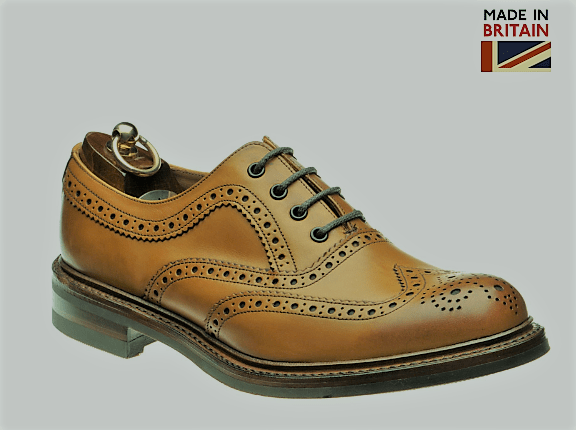
The doctor’s office was on the fourth floor of an old apartment building with a winding staircase, sharp angles, and narrow doors. It was completely impossible to carry me downstairs on a stretcher, so I ended up having to walk down the stairs with the ambulance staff who had enough problems with the empty stretcher. Down in the street I was placed on the stretcher in the back of the ambulance, and they sped off with blue lights and sirens. The ambulance backed into the emergency room reception, and I was moved over to another rolling bed of some sort. There were probably 7-8 people dressed in white around me who all had a different task and knew exactly what to do. One unbuttoned my shirt, another took off my shoes, another placed electrodes connected to a machine which this time had its own shelf or basket attached to the bed, one prepared a drip and taped a needle she had just had sat in my arm. Is this Loake? I heard someone say. Two men in white stood at the foot of my bed, studying the shoes they had just taken off me. It’s Loake, hand sewn in Kettering, Northamptonshire the other replied. Expensive, and nice. They nodded in recognition to each other, to the shoes and to me. I nodded back. Now the bed sped up and we were heading down a corridor towards a double door which almost magically opened as we approached. If there was something wrong with my heart already, I am not sure if this experience helped. We drove into the elevator which took us down to the basement. Along the walls in the corridor stood pallets of toilet paper and discarded detergent. One of the porters opened a door and I was wheeled into a room that probably had hospital qualities, but it looked as if time had been turned back 30-40 years. I wasn’t completely reassured by the man standing wide-legged in the room either. He was wearing white clothes and a mask, but it was a little distracting that he was also wearing long rubber boots and a long brown rubber apron. He held his hands up and out in the air as doctors often do after they have scrubbed their hands before an operation. It’s possible he had scrubbed his hands, but he was wearing long brown rubber gloves. Of the type you use when cleaning the garden in the spring or treating chemicals. This did not look promising, I thought. The man in the rubber clothes took so much of my attention that I didn’t notice at first that there was another man in the room as well. He started shaving my chest. What will happen now, I asked. The man with the rubber clothes said something I didn’t quite understand. “We’re going to give you an injection that will stop your heart,” said the man with the razor. That…will stop my heart, I repeated. He nodded as if that explained the whole situation. And then…?, I asked. Then we’ll start it again with these, he said, nodding towards two bulky handles lying on a table nearby. I stared at the handles and realised that these were the kind of electroshock defibrillators I’ve only seen in movies, and which usually don’t seem to save the patient. This really didn’t look good.
In the meantime, the rubber man had prepared a syringe. The barber placed a mask over my face and told me to just relax and count down from one hundred. Will this end well?, was all I managed to say before I heard someone reply in the distance; usually, usually it does.
I woke up in an infirmary with several others. The chest ached and I saw that I had two large red marks after the resuscitation. It was sunny outside and I watched some birds playing in a tree on the lawn. Is this Loake? I heard a voice say. A young male nurse held my shoes and studied them closely as if looking at a gem. I nodded, still weak from my ordeals. A female nurse was heading towards my bed. I’ll take these, she said, taking my shoes out of her colleague’s hand. I’ll put them here under your pillow, so they don’t disappear, she said, winking at me.
You are hardly on top of your game when hospital staff repeatedly try to steal your shoes.
 Billy Bronco is telling you