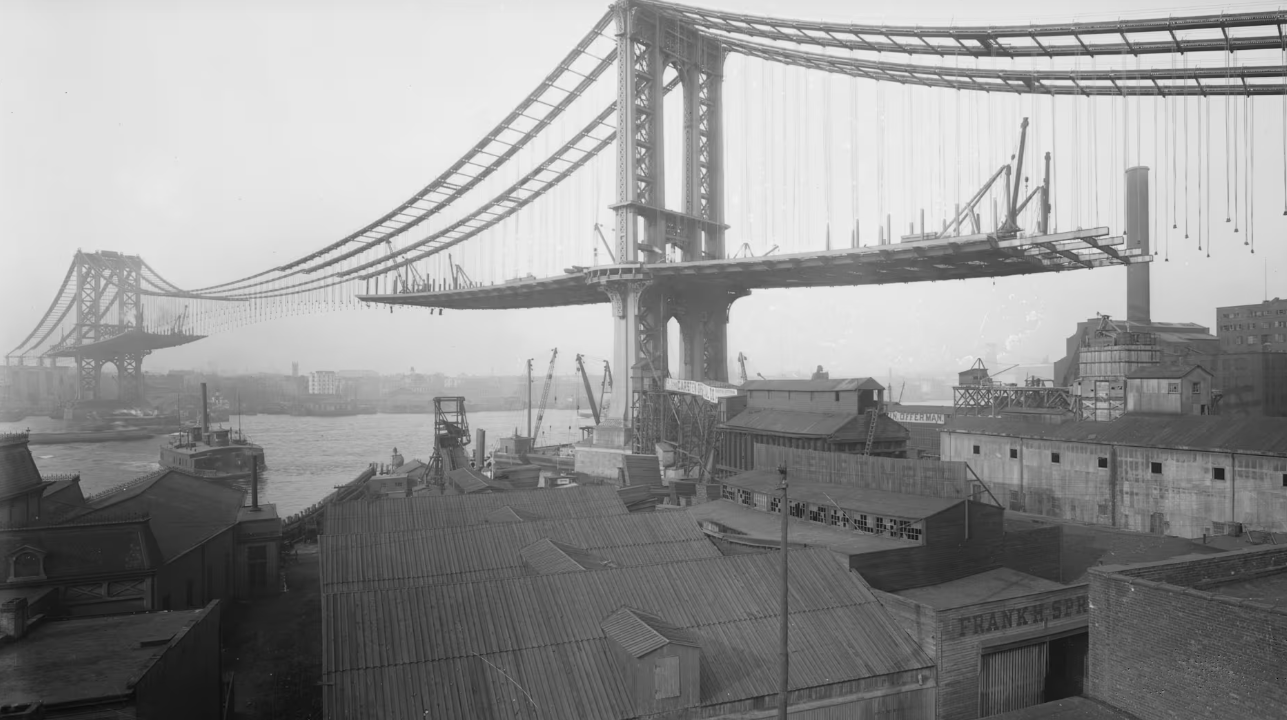
I used to hear him a little after eight every morning.
First, the door—never gently, always with a decisive slam. Then the measured thud of his steps on the short flight. The stick followed, striking the parquet with a steady, practised rhythm. A bout of coughing as he shrugged off his coat and hat. The scrape of the chair as he pulled it out. And finally, the tap of the stick—firm, insistent—summoning attention.
He was in his eighties and always wore a hat and coat. He arrived by taxi at precisely the same hour each day, as though time itself had been instructed to accommodate him.
He never ordered. Instead, he tapped his stick,raised a hand, one finger extended. That was enough: a pint of lager. And then, invariably, a single word—“Newspapers!”—delivered with the force of an exclamation, as though punctuation were a matter of principle.
The papers we stocked did not interest him. He required two tabloids, which meant crossing the street to a kiosk that opened early enough to meet his demands.
Each morning, he consumed two pints and two papers. One pint for each paper. When both were finished, the ritual was reversed: coat, hat, and then a sharp call for a taxi.
Occasionally, he spoke—though never in response to questions. Fragments, really. Shards of a life spent elsewhere. He had been a steel fixer in New York. Brooklyn, specifically. My aunt had lived there too, at roughly the same time—comfortably so, involved in charitable work among those less fortunate. When I asked whether he had known her, or even heard of her efforts, he dismissed it with a flick of the hand. There had been many of us there, he said. From the same country. The same city.
He was born just before the First World War, married just before the Second, and then left for America. Whether it was wanderlust or necessity that drove him, I never discovered. His family stayed behind. He worked in New York for many years, returning only occasionally to visit his wife and children.
The city, he said, had risen around him. In the 40s and 50s, New York climbed skyward at an astonishing pace. Steel and labour were in constant demand. It was punishing work. On smaller and mid-sized sites there were few cranes, fewer aids. Men carried heavy bundles of rebar across uneven ground and up through half-built structures, bent under the weight.
They worked hundreds of metres above the streets without harness or guard. Rivets, heated to a glow, were thrown through the air and caught in waiting buckets before being hammered into place. They called them Skywalkers. Cowboys of the sky.
He mentioned buildings I did not recognise. But often, he returned to the Brooklyn Bridge. He could not have built it—the bridge predated him by decades—but there had been extensive works on the bridge in the early 50s. That, I suspect, was when he had left his mark.
Then, one morning in September, I did not hear the door slam. No footsteps. No stick against the floor. No cough. No chair scraping as it was pulled from the table. No one tapped their stick to call for attention. The cafe was completely empty that morning.
It was also the day I stopped crossing the street for two newspapers.

